
통합 검색
통합 검색
- 작성자 hide
- 조회수 223
[The Integrated Warning Experience(IWE) A Theoretical Framework for Visual Warning Design Based on Biological Warning Signs, Pak, H., & Pak, K.]
Reviewed by 박효상 박사연구원
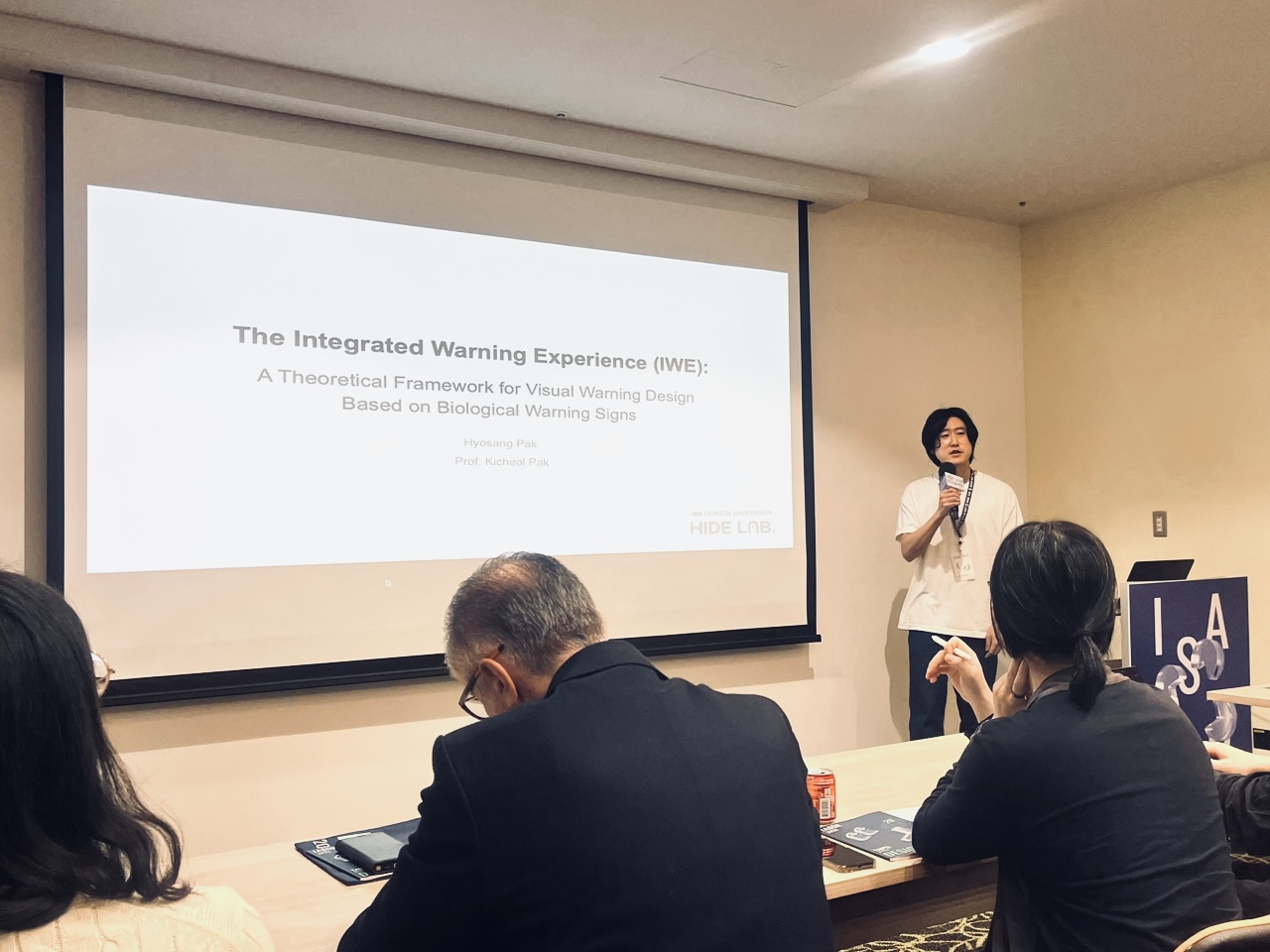
Topic: The Integrated Warning Experience(IWE) A Theoretical Framework for Visual Warning Design Based on Biological Warning Signs
This study proposes the Integrated Warning Experience (IWE) as a new theoretical framework for visual warning design inspired by biological warning signs. Conventional warning systems emphasize conspicuity—using high chromatic contrast, brightness, and geometric shapes to attract attention. However, such approaches often fail to support accurate interpretation and appropriate behavioral responses, especially among vulnerable populations such as the elderly, individuals with low literacy, or people with hearing impairments.
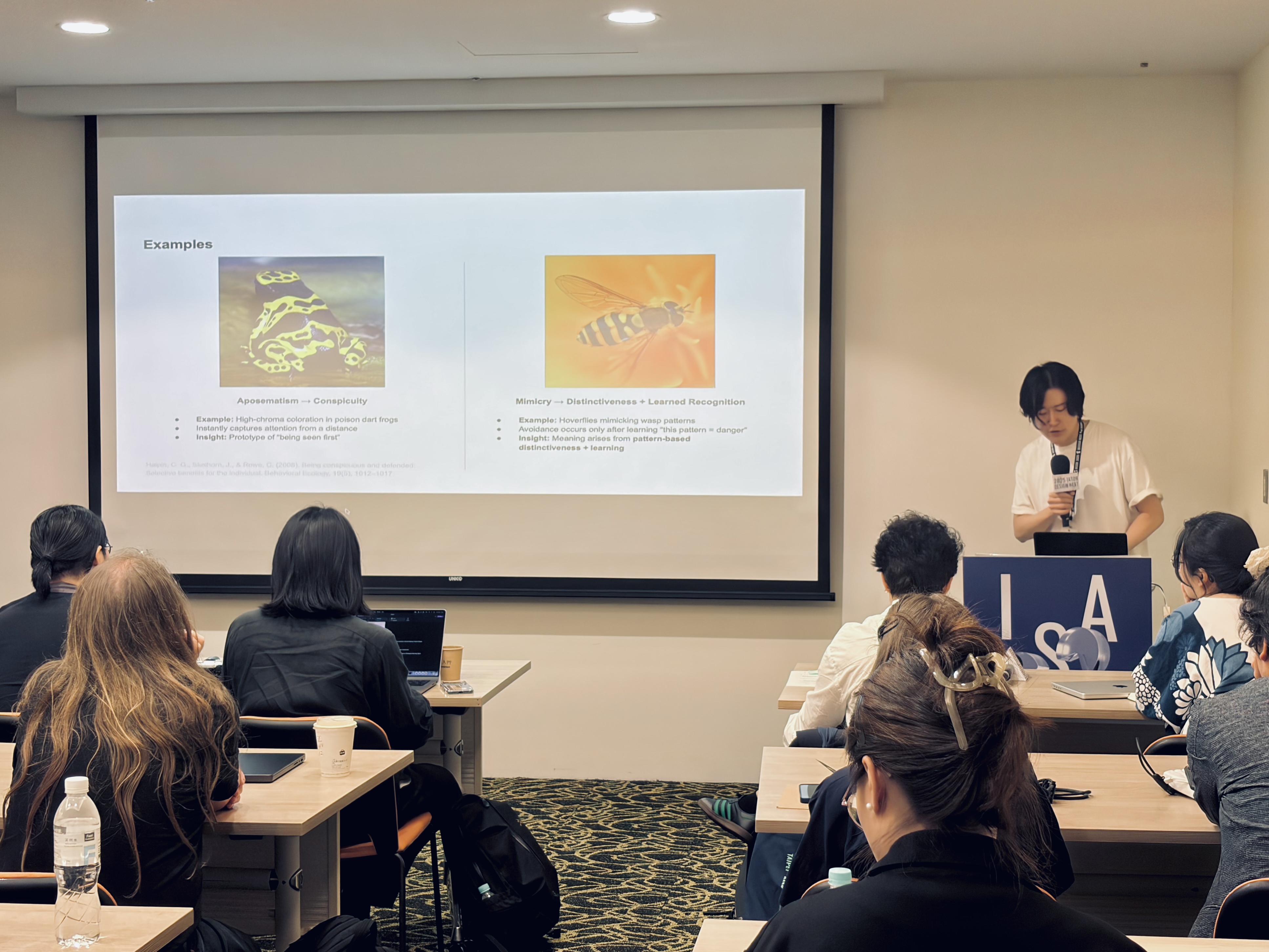
Through analysis of international standards (ISO, ANSI, KS, JIS), the Communication–Human Information Processing (C-HIP) model, and real-world accident cases, the study identifies structural deficiencies in current systems. It emphasizes that warnings must not only be noticeable but also distinctive, enabling users to interpret signals correctly and take timely action. To address these limitations, the study examines biological strategies—such as aposematism in poison dart frogs, sudden inflation in pufferfish, or contextual pattern displays in octopuses—that instinctively trigger predator avoidance. These strategies provide design principles including color and brightness contrast, repetitive patterns, morphological transformation, mimicry, and distance-dependent signaling.
Case analyses demonstrate that auditory-centered warnings often fail in industrial and disaster contexts, placing hearing-impaired or low-literacy users at severe risk. This underscores the need for visually grounded, user-centered systems. By comparing the Predation Sequence with the C-HIP model, the study re-structures the warning process into six integrated stages: Encounter (source), Detection (attention), Identification (comprehension), Approach/Avoidance (motivation), Avoidance Action (behavior), and Feedback (learning).
Based on these insights, the IWE model is proposed. At long distances, high chroma and luminance contrast with simple edges facilitate rapid detection. At close range, shifts in color or pattern intensity support interpretation and guide specific user responses. Once the threat is resolved, visual feedback indicates state transition, ensuring cognitive closure and reassurance.
The theoretical contributions are fourfold. First, the study introduces distinctiveness as a complementary dimension to conspicuity, strengthening user interpretation and response. Second, it provides a biologically grounded framework for distance- and stage-specific warning design. Third, it incorporates environmental contrast and feedback mechanisms, addressing gaps in conventional models. Fourth, it highlights the challenges faced by cognitively vulnerable groups and suggests inclusive applications for safety-critical domains such as Human–Robot Interaction (HRI) and industrial settings.
The study is limited by its theoretical nature, lacking experimental validation. Future research should empirically test the effectiveness of biologically inspired strategies through behavioral experiments, eye-tracking in context-rich environments, and toolkits for automated warning design. Moreover, multimodal expansion to auditory, tactile, and motion-based cues is necessary to establish comprehensive, integrated warning systems.
In conclusion, this research reconceptualizes warnings as an experience that encompasses recognition, interpretation, and action, rather than mere attention capture. By integrating conspicuity with distinctiveness, the IWE framework lays a foundation for intuitive, inclusive, and context-sensitive warning systems that can enhance safety in complex environments.
본 연구는 기존 시각적 경고 체계의 한계를 극복하기 위해 자연계의 생물학적 경고 신호를 기반으로 한 새로운 이론적 틀, 즉 통합 경고 경험(Integrated Warning Experience, IWE)을 제안한다. 현재의 경고 시스템은 주로 강렬한 색상 대비나 단순한 기하학적 형상을 활용하여 눈에 잘 띄게 만드는 ‘현저성(conspicuity)’에 집중하고 있다. 그러나 이러한 방식은 실제 사용자들이 경고를 인식한 이후 올바른 해석과 행동으로 이어지도록 지원하는 데에는 미흡하며, 특히 노년층, 문해력이 낮은 집단, 청각 장애인 등 인지적 취약 계층에게는 효과가 제한적이다.
연구는 국제 표준(ISO, ANSI, KS, JIS 등), 인지 처리 모델(C-HIP), 그리고 실제 사고 사례를 분석하여 현재 경고 체계의 구조적 문제점을 도출하였다. 그 결과, 경고가 잘 보이는 것만으로는 충분하지 않고, 사용자가 이를 해석하고 적절히 행동할 수 있도록 돕는 ‘변별성(distinctiveness)’ 개념을 보완해야 함을 강조한다. 또한, 자연계의 경고 표현—예컨대 독개구리의 선명한 체색, 복어의 체적 확장, 문어의 위협적 패턴 노출 등—은 포식자의 본능적 회피 반응을 유도하는 효과적 전략임을 확인하였다. 이를 토대로 연구는 생물학적 원리를 경고 디자인 요소로 추출하여, 색 대비, 명도 대비, 반복적 패턴, 형태 변환, 거리 의존적 신호 등 구체적인 설계 지침을 도출하였다.
사례 분석에서는 실제 산업 현장 및 재난 상황에서 청각 중심 경고가 무력화되어 발생한 사고들을 검토하였다. 청각장애인이나 저문해 사용자들이 시각적 대체 신호 부재로 인해 대피가 지연되거나 경고를 잘못 해석하는 문제는 기존 시스템의 구조적 한계를 명확히 보여준다. 이를 보완하기 위해 연구는 포식-피식 모델(Prey–Predator Sequence)과 C-HIP 모델을 통합하여 새로운 단계적 경고 구조를 제시하였다. 즉, (1) 조우(Encounter)–주의 전환, (2) 탐지–주의 유지, (3) 식별–의미 해석, (4) 접근/회피–동기 형성, (5) 회피 행동–행동 실행, (6) 피드백–학습으로 이어지는 과정 속에서 시각적 설계 요소가 거리와 상황에 맞게 배치되어야 한다는 것이다.
이러한 논의를 바탕으로 연구는 IWE 모델을 제안한다. IWE는 멀리서 인지되는 단계에서는 고채도·고명도 대비와 단순한 형상을 사용하여 빠른 탐지를 유도하고, 가까운 거리에서는 패턴 변화나 색상 전환을 통해 의미 구분과 행동 지침을 제공한다. 또한 위험이 해소된 뒤에는 시각적 피드백을 제공하여 사용자가 상황 전환을 인지하고 인지적 종결(cognitive closure)을 경험하도록 한다.
연구의 주요 공헌점은 네 가지다. 첫째, 단순히 잘 보이게 하는 데 그치지 않고 ‘변별성’을 도입함으로써 사용자의 해석과 반응을 강화하였다. 둘째, 생물학적 사례에 기반한 거리별·단계별 경고 설계 틀을 마련하였다. 셋째, 배경 대비와 피드백 메커니즘을 포함하여 기존 경고 모델의 미비점을 보완하였다. 넷째, 청각 장애인이나 저문해 집단 등 취약 계층을 고려한 포괄적 설계 방향을 제시하였다.
다만 본 연구는 이론적 탐구에 머물러 있으며, 실제 사용자 실험이나 정량적 검증은 수행하지 못했다는 한계가 있다. 따라서 향후 연구에서는 색 대비와 패턴 효과의 행동적 실험 검증, 시선 추적 기반의 실시간 효과 측정, 자동화된 경고 디자인 툴킷 개발, 시각에 국한되지 않은 청각·촉각·모션을 포함한 다중감각 통합 경고 시스템으로의 확장이 필요하다.
결론적으로, 본 연구는 경고 디자인을 단순한 시각적 주목의 차원을 넘어, 인지–해석–행동의 전 과정을 포괄하는 경험으로 정의하고 이를 체계화하였다. IWE는 인간-로봇 상호작용(HRI)이나 복잡한 산업 환경과 같이 안전성이 중대한 맥락에서 직관적이고 포용적인 경고 체계를 구축하는 새로운 이론적 토대를 제공한다.
[학회 후기]
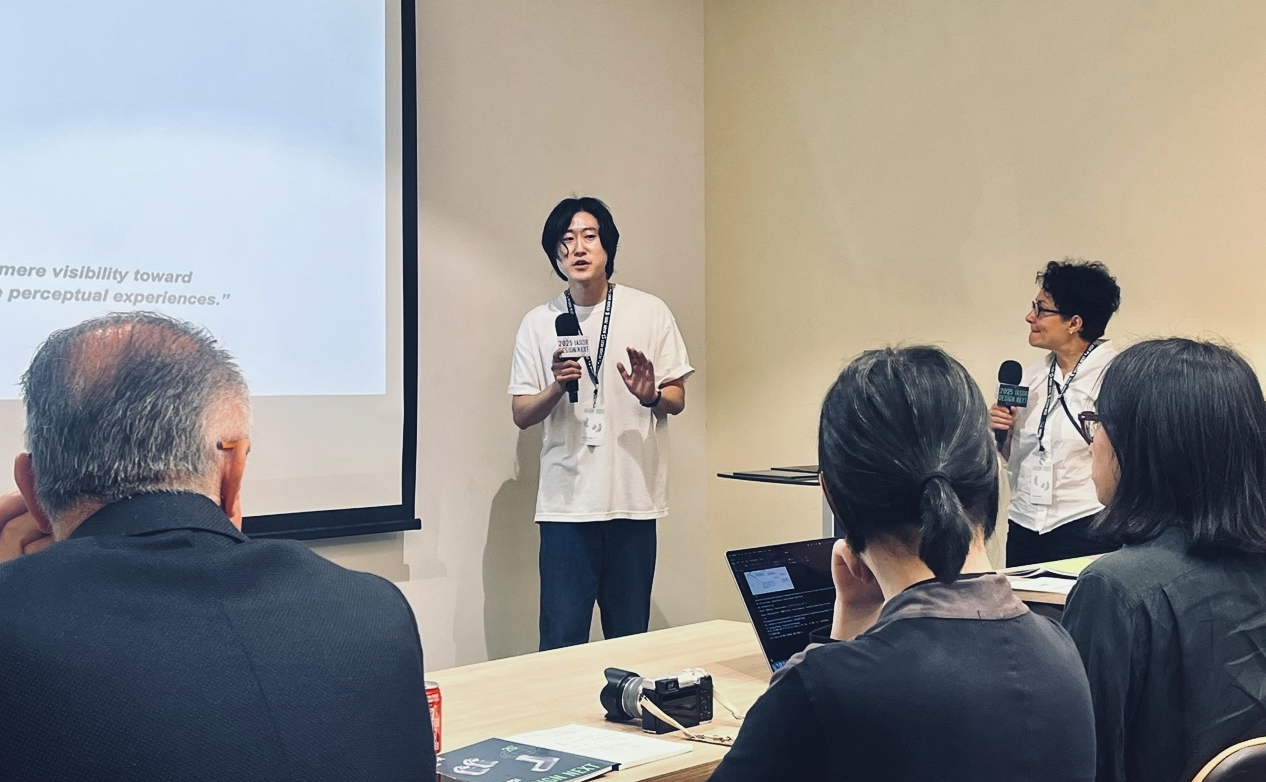
한국의 초겨울과 달리 온화한 날씨 속에서, 올해 IASDR 학회는 타이페이에서 개최되었습니다. 도시의 공기와 빛, 그리고 행사장 주변의 리듬이 전반적으로 차분하게 느껴져, 학회 일정 자체가 마치 ‘생각을 정돈하기 좋은 배경’처럼 작용했던 점이 인상적이었습니다. 저는 세부 분과 중 More than Human-centered Design(MTHCD) 세션에서 발표를 진행했는데, 첫날 첫 세션이라는 일정 덕분에 발표 전까지 과도하게 긴장하기보다는 비교적 안정적인 상태로 연구 내용을 정리하고 준비할 수 있었습니다.
발표 이후에는 Delft, Kingston 등에서 방문한 연구자들과 짧지만 밀도 있는 교류를 이어갔습니다. 특히 개인적으로 의미가 컸던 것은, 제 발표를 듣기 위해 Elvin Karana 교수님 랩의 박사과정 연구자가 참석해 주었다는 점입니다. 해당 연구자는 기존 연구를 통해 이미 인지하고 있던 분이어서, 단순한 ‘현장 인사’가 아니라 어느 정도 공통의 맥락과 관심사를 공유하는 상태에서 대화를 시작할 수 있었습니다. 더불어, Karana 교수님의 저서와 논문은 제가 석사 과정 당시부터 꾸준히 읽어 왔고, 박사 과정 이전에 현업에서 CMF 선행 연구와 양산 설계 실무를 수행할 때에도 여러 차례 실질적인 도움을 받은 기억이 있습니다. 그래서 이번 학회에서 그 연구 계보의 연구자를 실제로 만나 대화를 나눴다는 사실 자체가, 학술 활동이 ‘텍스트의 축적’을 넘어 ‘관계의 확장’으로 이어진다는 점을 체감하게 한 순간이었습니다.
또한 평소 안면이 있던 국내 교수님들과도 현장에서 직접 뵙고 담소를 나누며 반가운 시간을 보낼 수 있었습니다. 학회는 결국 연구 발표의 장이기도 하지만, 각자의 연구 관심과 문제의식을 ‘지속적으로 갱신’하는 네트워크의 장이기도 하다는 사실을 다시 확인하게 되었습니다.
전체적으로 이번 학회에서는 인터랙션이나 서비스 디자인 담론을 넘어, AI를 중심으로 한 논의가 눈에 띄게 확장되어 있었고, “AI를 어떻게 연구의 대상화/도구화/공존화할 것인가”에 대한 접근도 이전보다 훨씬 다양하게 제안되고 있었습니다. 단순히 AI를 기능적으로 적용하는 수준을 넘어, 설계의 책임, 관계성, 사용자 취약성, 시스템적 영향 같은 층위에서 AI를 재사유하려는 움직임이 강해졌다는 점이 특히 인상적이었습니다.
[발표 후기]
주제: The Integrated Warning Experience(IWE) A Theoretical Framework for Visual Warning Design Based on Biological Warning Signs
저는 첫날 첫 세션의 세 번째 순서로 발표를 진행했습니다. 발표 시간은 10분이었는데, 한국어로도 연구의 핵심을 온전히 전달하기 빠듯한 분량을 영어로 압축해 설명하려니 난도가 훨씬 높게 느껴졌습니다. 다만 주어진 시간의 제약이 명확했기 때문에, 세부적인 사례 설명이나 배경의 확장보다는 핵심 개념과 논문의 기여점(implications)을 먼저 전면에 배치하고, 상세한 설명은 보조적으로 덧붙이는 방식으로 발표 구조를 조정했습니다. 결과적으로 정해진 시간인 10분 안에 발표를 마무리할 수 있었고, 발표의 논리 흐름을 유지하면서도 메시지가 흩어지지 않도록 관리할 수 있었습니다.
이후 질의응답에서는 총 6명의 연구자로부터 질문을 받았습니다. 발화 속도가 빠른 분들도 있어 질문이 다소 정신없이 지나간 기억도 있지만, 공식 Q&A 시간이 5분이었음에도 비교적 여유 있게 추가 시간이 배정되어, 핵심 질문에 대해서는 차분하게 답변할 수 있었습니다. 질문의 대부분은 논문에 이미 포함된 개념과 프레임워크를 더 명확히 하고자 하는 성격이었고, 발표 시간 제약으로 충분히 다루지 못한 부분을 보완하는 질문이 많았기 때문에 큰 부담 없이 답할 수 있었습니다.
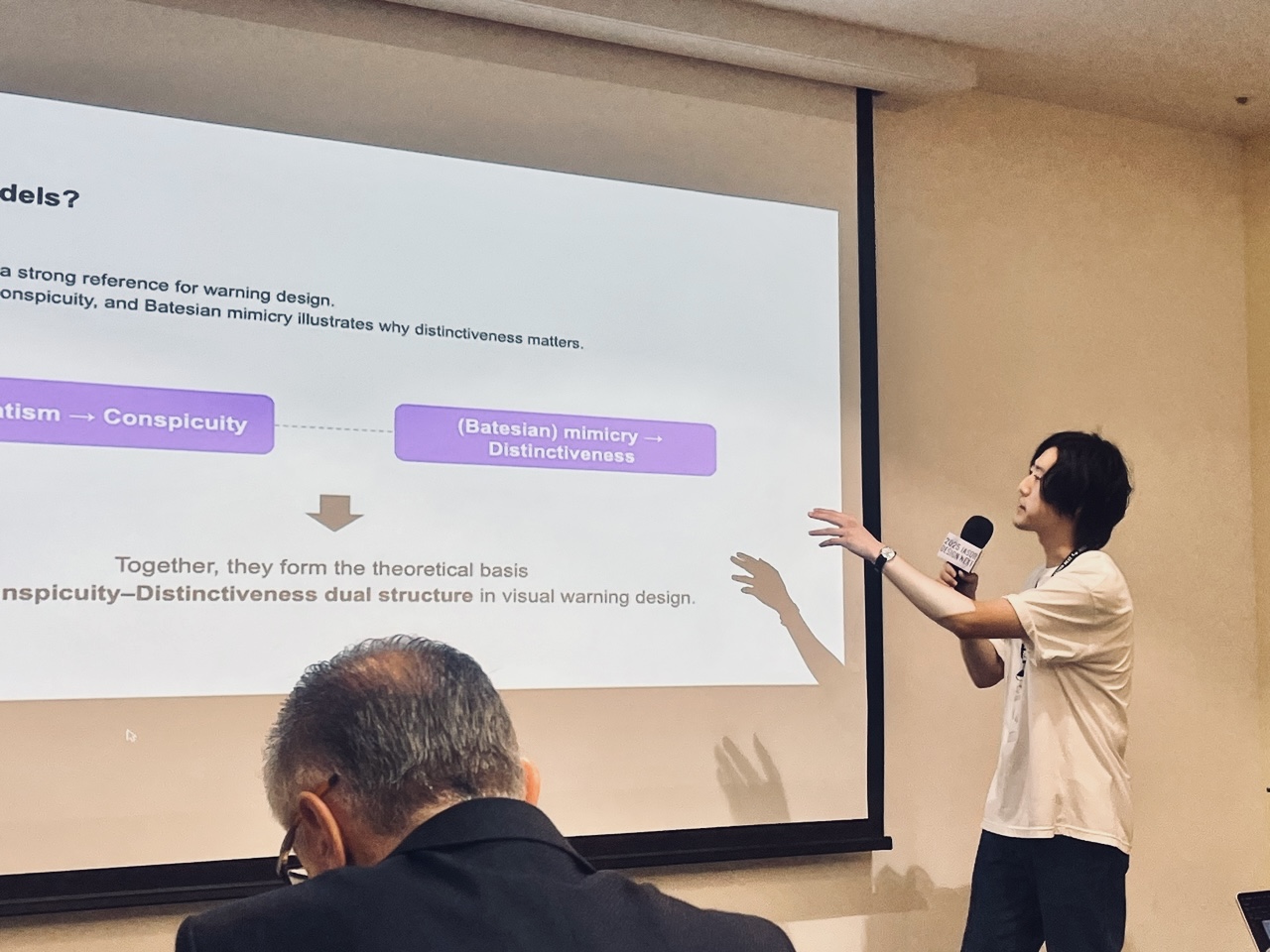
발표의 핵심은 다음과 같이 요약할 수 있습니다. 본 연구는 경고 경험을 단일한 시각 자극(visual stimulus)으로 환원하지 않고, 지각–해석–반응이 연속적으로 조직되는 통합적 경험 구조, 즉 Integrated Warning Experience(IWE)로 재정의했습니다. 이를 통해 경고의 효과는 단순히 자극의 강도나 주목성(눈에 띄는 정도)에만 의해 결정되는 것이 아니라, 거리 조건, 배경 맥락, 그리고 사용자의 인지적 취약성을 고려했을 때 “해석 가능성”이 어떻게 확보되는지에 의해 더 정교하게 달라질 수 있음을 제시했습니다. 본 연구에서는 이를 Conspicuity(주목성)와 Distinctiveness(구별성)의 개념으로 분리하여 설명했으며, 특히 “보이는 것”과 “올바르게 이해되는 것”이 동일하지 않다는 점을 경고 설계의 핵심 문제로 제기했습니다. 또한 거리 조건에 따라 인지 효과가 다르게 나타남을 논의함으로써, 향후 경고 설계는 적용 맥락(상황·장소·배경·대상)을 보다 세밀하게 고려해야 한다는 필요성을 강조했습니다.
질문 1. Your framework draws heavily on biological warning strategies such as aposematism, deimatic behavior, and mimicry. How do you ensure that these biological analogies meaningfully translate into human-centered design rather than remaining metaphorical?
답변 1. I avoid metaphorical use by extracting only perceptual mechanisms—such as conspicuity, distinctiveness, edge clarity, and distance-dependent pattern shifts—that are empirically validated in biology. These mechanisms are then reorganized as design parameters in Tables 11 and 12 of the paper, which directly specify how contrast, pattern density, and shape segmentation should change with distance. Thus, the biological cases provide functional insights, not aesthetic analogies.
질문 2. Many warning standards already rely on conspicuity. What gap does the concept of “distinctiveness” fill that conspicuity alone cannot?
답변 2.Conspicuity helps a signal be noticed, but it does not guarantee correct interpretation—particularly in cluttered environments or for cognitively vulnerable users. Distinctiveness provides separability from the background and between warning levels. I show in the paper that many accident cases stem from interpretive failure rather than detection failure. Therefore, interpretation requires both distinctiveness and conspicuity.
질문 3. Many researchers may ask how IWE differs fundamentally from the C-HIP model. What is the strongest conceptual distinction?
답변 3.C-HIP describes information flow but does not specify how visual attributes must change with distance or background conditions, nor does it incorporate feedback. IWE introduces (1) distance segmentation, (2) distinctiveness as a design factor, and (3) feedback for cognitive closure.
[청취 후기]
주제: Posthuman Emotional Well-being: Rethinking Assistive and Interactive Technologies as Co-agents
여러 발표 중에서 ‘Posthuman Emotional Well-being: Rethinking Assistive and Interactive Technologies as Co-agents’라는 주제는 특히 인상 깊었습니다. 이 연구는 돌봄 및 지원이 필요한 사용자를 위한 기술을, 단순한 보조 도구(instrument)로 보는 관점에서 한 걸음 더 나아가, 사용자의 정서 경험과 관계 형성에 적극적으로 관여하는 co-agents로 재정의하려는 문제의식에서 출발하고 있었습니다. 즉 기술이 ‘무엇을 해주는가’라는 기능적 질문을 넘어서, 기술이 사용자와 함께 어떤 정서적 관계를 형성하고, 장기적 상호작용 속에서 사용자의 판단·행동·감정의 구조에 어떻게 개입하는지까지 논의 범위를 확장하려는 시도가 흥미로웠습니다.
이 발표를 들으며, 제가 현재 고민하고 있는 연구적 질문들과도 자연스럽게 접점이 생겼습니다. 예컨대 HRI에서 ‘진정한 인터랙션’이란 무엇인지, 그리고 기능 수행을 넘어 감성적 인터랙션으로 나아가기 위해 어떠한 맥락적 이해가 선행되어야 하는지라는 질문은, 바로 이러한 “기술을 관계적 존재로 볼 것인가”라는 문제와 맞닿아 있기 때문입니다. 단지 사용자가 기술을 사용하는 것이 아니라, 기술이 사용자의 정서 경험을 함께 구성해 가는 존재라면, 평가의 기준과 연구 방법론도 달라져야 한다는 생각이 자연스럽게 따라왔습니다.
세션이 모두 끝난 뒤, 공원을 따라 천천히 걸어 숙소로 돌아오는 길에는 기술과의 관계 속에서 인간과 로봇을 각각 독립된 주체로 볼 것인지, 혹은 서로의 존재 방식을 형성해 가는 관계적 존재로 이해해야 하는지에 대한 보다 근본적인 질문이 떠올랐습니다. 이는 제가 평소 고민해 온 “인간이 기술과 맺는 관계가 단순한 사용을 넘어 어떤 존재론적 의미를 갖는가”라는 사유로 이어졌고, HRI를 단일한 실험 프레임이나 성능 지표로만 바라보기보다, 다양한 철학적·사회문화적 각도에서 재사유할 필요가 있음을 조용히 환기시키는 시간이 되었습니다.
댓글 0